Choosing the Right Print Method, Without Overthinking It.
Printing can be confusing. Most brands just pick whatever they’ve used before. But the right choice? It’s all about how the product will actually be used.
When it comes to merchandise, printing can feel surprisingly complicated. There are lots of options. Lots of opinions. Usually someone insisting one method is “the best”. In reality, many brands simply choose what they’ve used before. Or what sounds the most premium. But the right choice isn’t about habit. It’s about how the product will actually be used.
What “print process” actually means
It sounds technical, but it isn’t.
A print process is simply how your logo or design gets added to the product. That’s it.
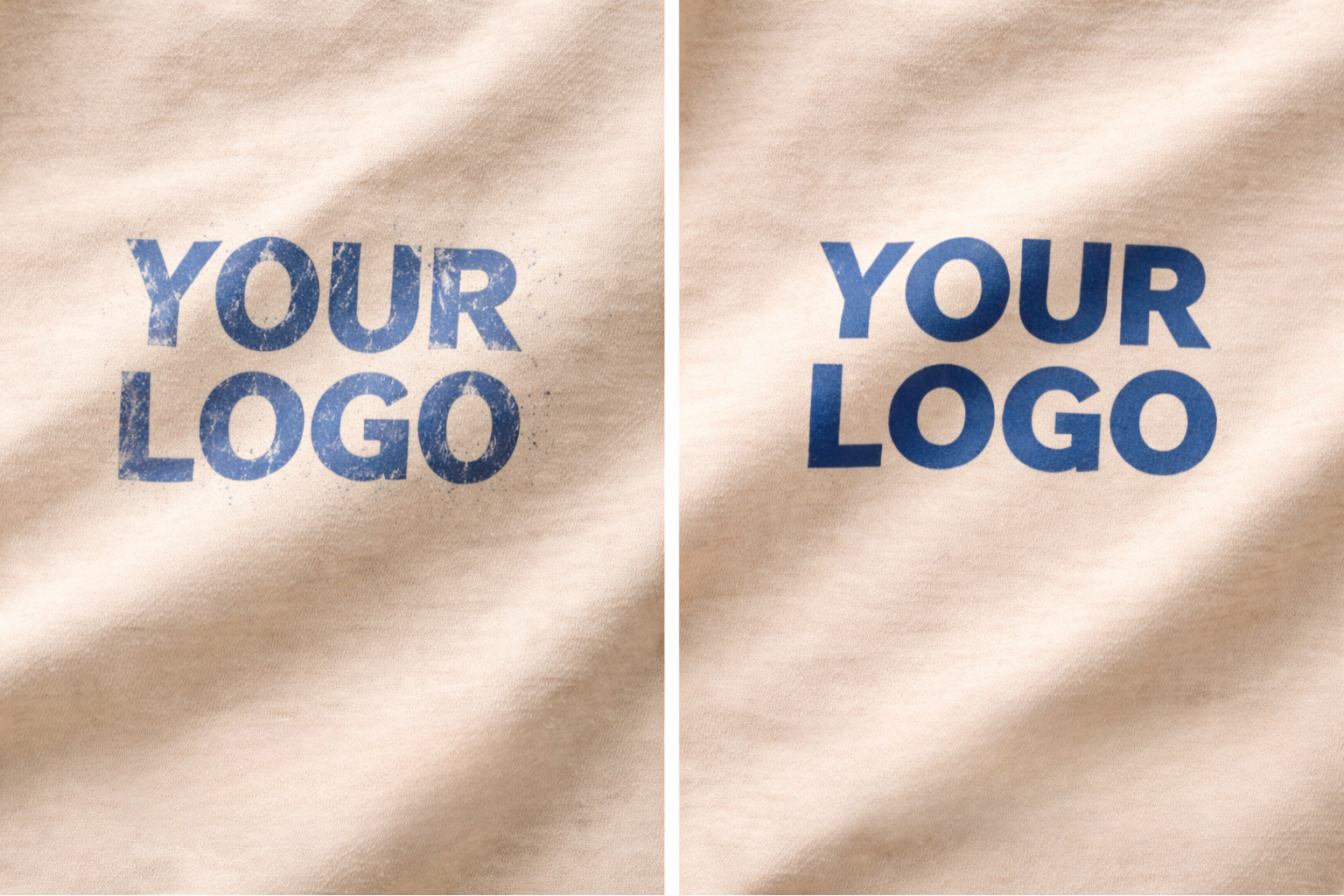
Different materials respond differently. A method that works beautifully on a heavyweight hoodie might not behave the same way on a lightweight tote. What looks sharp on a screen can soften, crack or fade over time if it isn’t suited to the product. There isn’t one single “best” option. There’s only what fits.
The most common print options
Without getting too technical, most promotional merchandise is branded using:
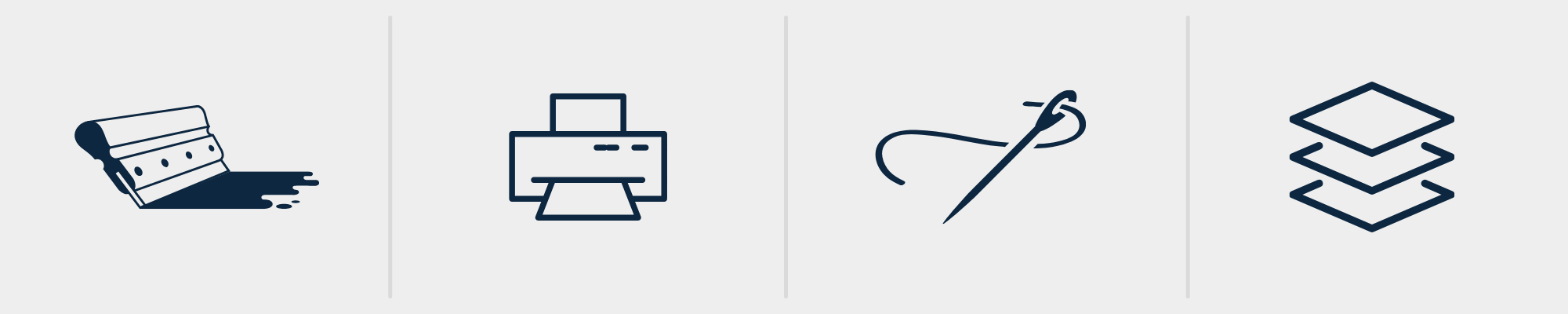
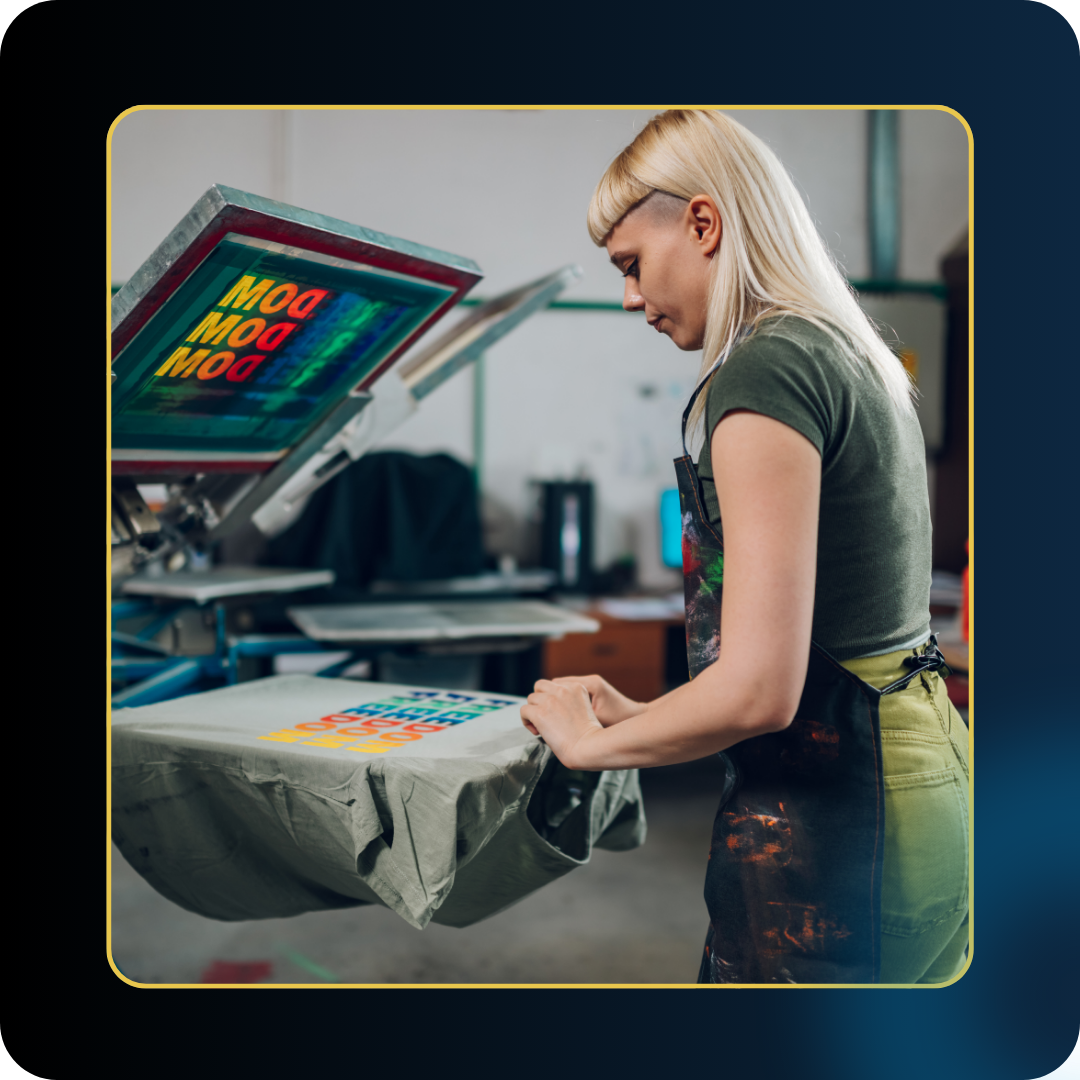
Screen printing
Used across garments, tote bags and even some rigid products. It’s ideal for bold, solid designs and larger volumes. When done well, it’s clean and durable.
Embroidery
Thread stitched directly into material. Often used on apparel, caps and some soft accessories. It adds texture and perceived value — but it isn’t suited to every surface.
Pad printing
Common on smaller or curved products like pens, tech accessories and drinkware. It allows logos to be applied neatly to awkward shapes where other methods wouldn’t work.
Laser engraving
Used on metal, wood and some coated drinkware. It creates a permanent, subtle finish that won’t fade — but it’s tonal rather than colourful.
Digital printing (UV or DTG)
Used across flat surfaces — from notebooks to tech products to garments. It allows detailed, full-colour designs and works well for smaller runs.
Heat transfer / vinyl
Often used for names, numbers or short runs. It can produce sharp results, but longevity depends heavily on application and material.
What really matters when choosing a print method?
- How often will this be used?
- Will it be handled daily, carried around, washed, refilled or transported?
- Does it need to last for years, or support a short-term campaign?
- How will it look after repeat use?
Common mistakes brands make
Instead of starting with what looks nicest on a mockup, it helps to consider:
- Choosing embroidery because it feels more “premium”
- Using the same print method for everything
- Printing big logos on lightweight items
- Not thinking about how the product will age
When less printing works better
Not everything needs a bold, front-and-centre logo.
A smaller mark.
A tonal finish.
A subtle engraving.
A well-placed detail.
Often, these age better and feel more considered. Sometimes the product colour carries the brand. Sometimes the material itself does the work. Sometimes the packaging creates the moment. When people genuinely like how something looks and feels, they keep it.
And that is what gives merchandise its value.
How to make a better decision
Start with the product, not the logo.
Think about how it will be used in real life, not just how it looks in a visual. Will it be thrown into a bag? Left on a desk? Washed repeatedly? Exposed to heat, sunlight or constant handling?
Then ask your supplier what will last best, not just what looks best in a visual. A good supplier should talk about durability as confidently as decoration.
The simple truth
The best print choice is the one that fits the product, and that means people keep using it. When the method and the surface work together, people keep using the item. And that is always the goal.
Not sure which print method makes sense?
We help brands choose products and finishes that actually last — without blowing the budget.
If you’re planning merch this year, get in touch and we’ll guide you through it.