Why great merch starts with saying no to your logo
We all know the drill when it comes to branded merchandise.
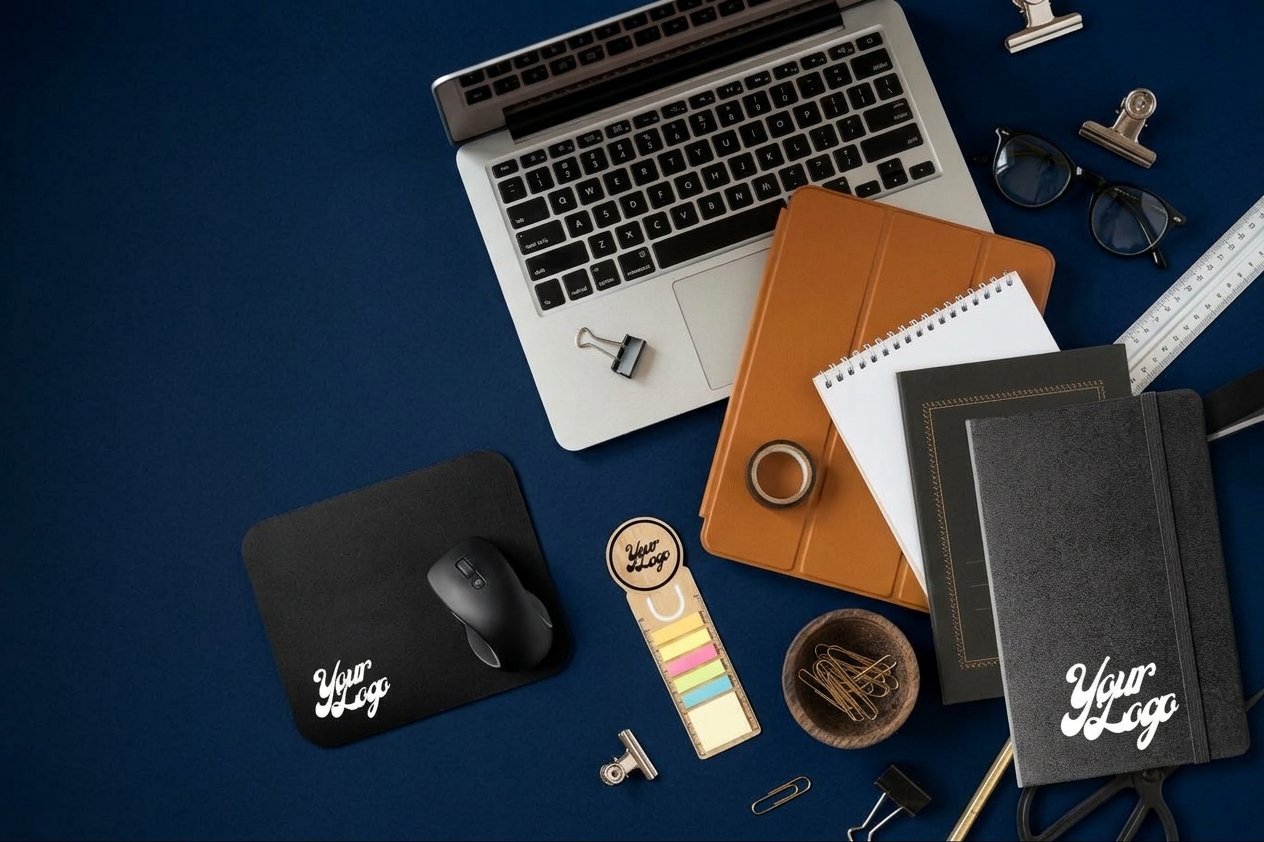
Put the logo here. Make it bigger. Maybe put it on the back too. And while we’re at it, let’s add it to the sleeve.
But bigger branding doesn’t automatically mean better merch.
If you’ve ordered promotional merchandise before, you’ll know there’s a lot to think about: product choice, colours, decoration methods, quantities and budget. Branding is only one part of the equation, and sometimes giving your logo a little less attention can actually make the end result work harder.
Because the real question isn’t “How much of our logo can we get on this?”
It’s “Where will this product actually be used?”
Branding can change how often something gets used
Imagine two t-shirts.
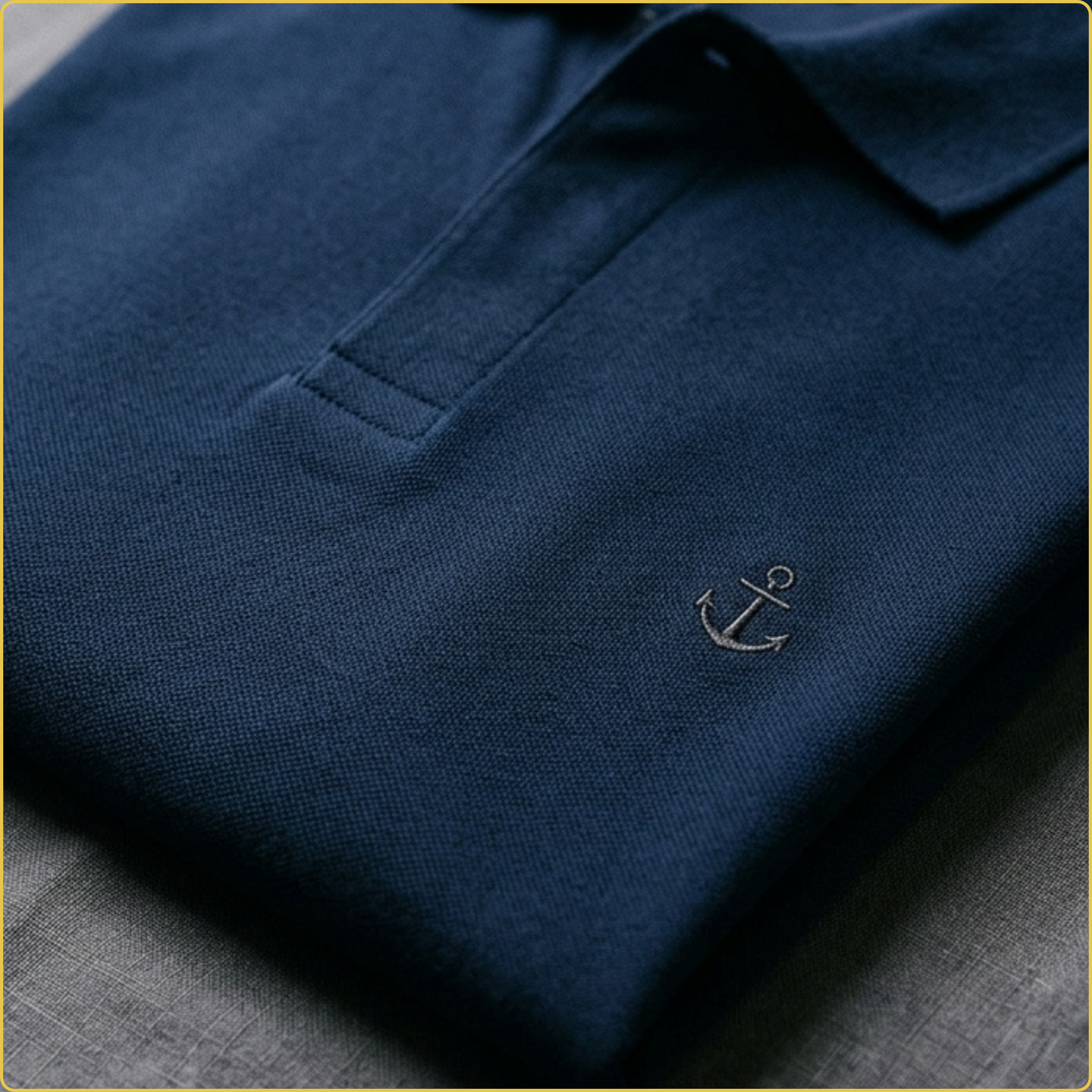
One has a huge logo across the chest. The other has a small embroidered logo.
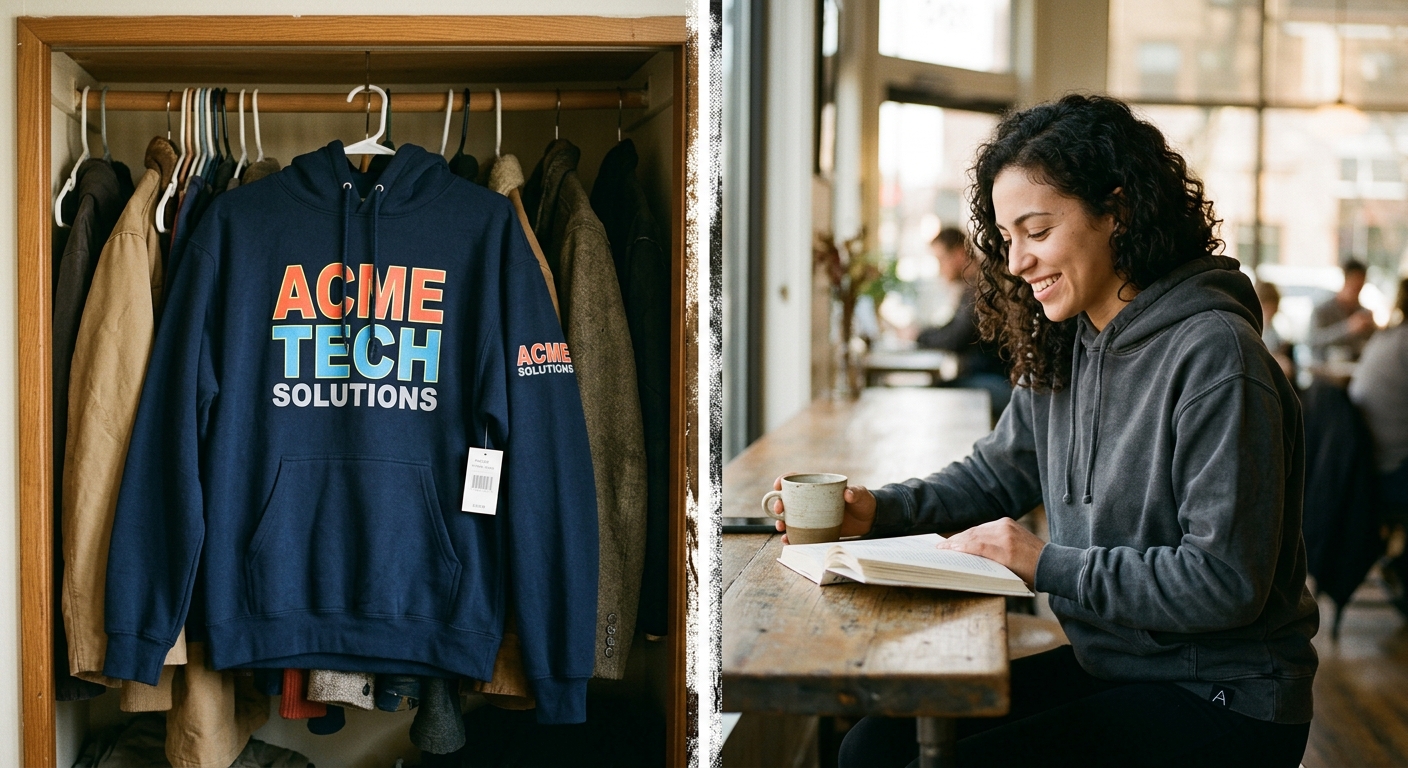
The first might be perfect for an event where visibility is the priority. But the second is likely to work in far more situations. Someone might wear it to the pub, on holiday, to the gym or just at home.
That difference matters.
The more occasions a product fits into, the more opportunities your brand has to be seen.
This is one of the easiest things to overlook when planning merchandise. A product doesn’t have to be permanently visible to be effective. Sometimes making the branding more subtle actually gives the product a longer and more useful life.
Your decoration method matters too
Logo placement isn’t the only branding decision.
The way you decorate a product can completely change how it feels.
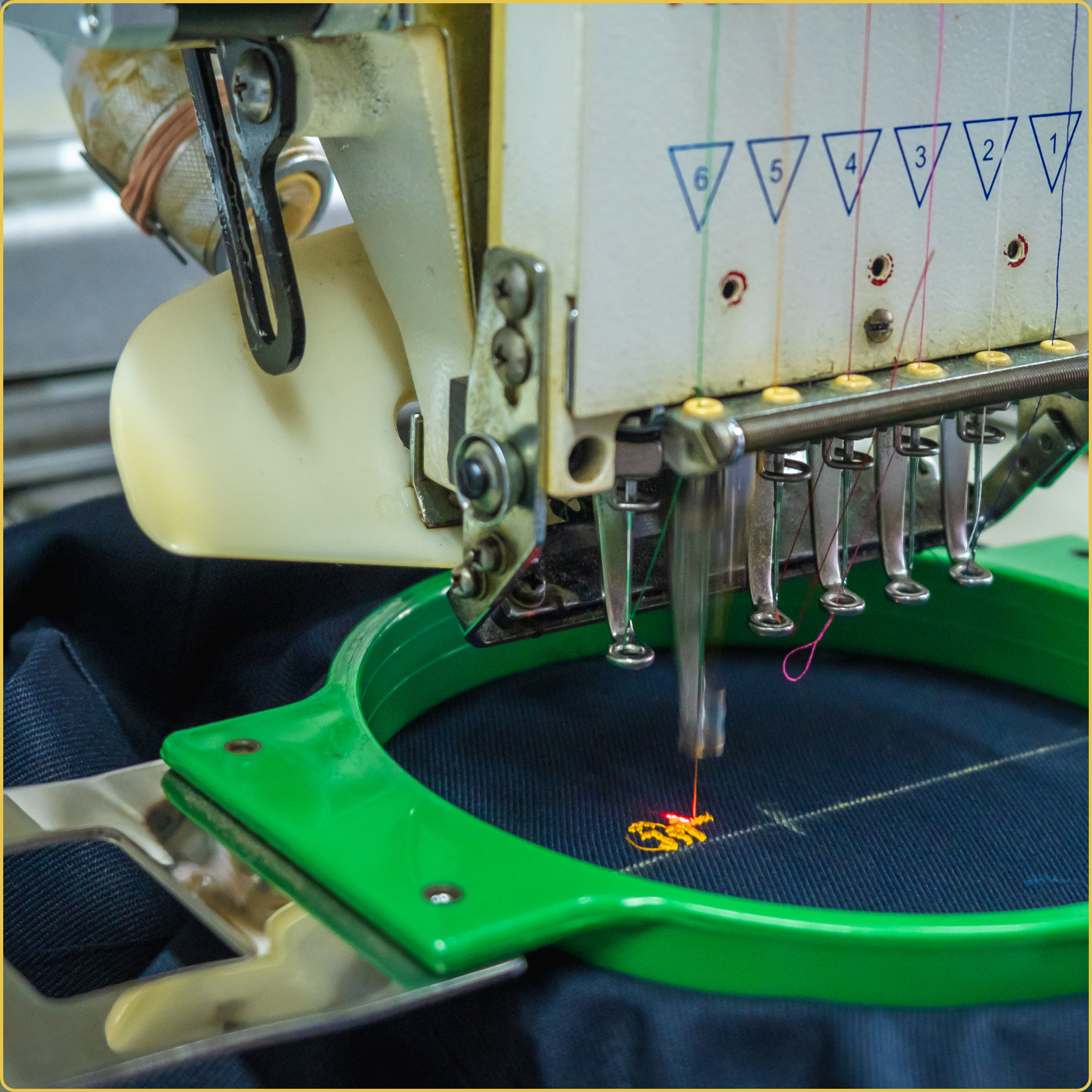
Embroidery tends to give clothing a more premium, tactile finish. Screen printing can be a better option for larger graphics and bold campaign artwork. Woven labels, patches and tonal branding can give a product a much more understated look.
The right choice depends on the product and what you’re trying to achieve.
For example, a small embroidered logo can work beautifully on a premium sweatshirt, whereas a large printed graphic might be exactly what you need for an event t-shirt.
There isn’t a universal rule for how much branding is right. The trick is choosing a decoration method that suits the product, rather than forcing every product to carry your logo in exactly the same way.
Think about the audience before the artwork
Your audience should influence your branding decisions just as much as your brand guidelines do.
What will they actually want to use?
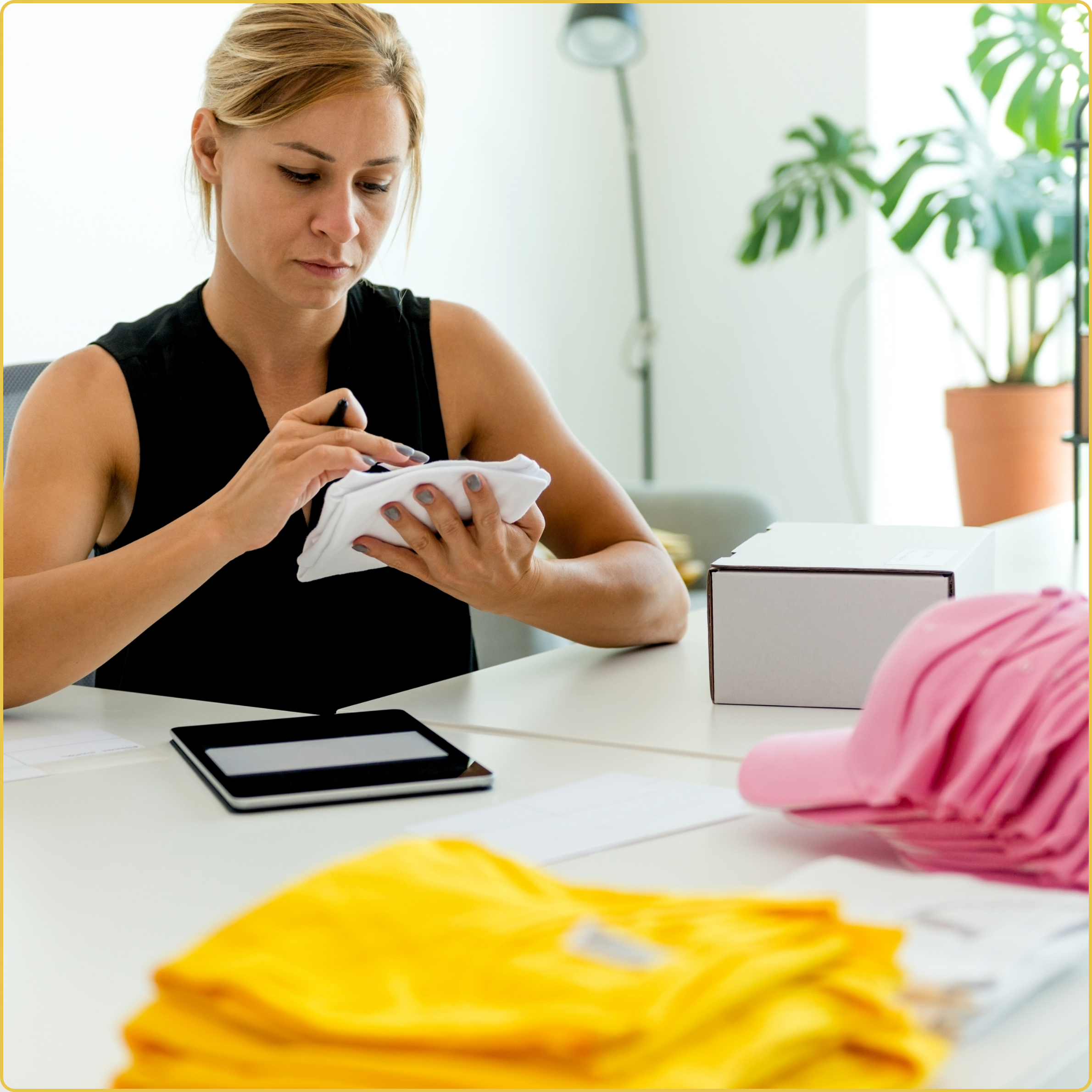
A sales team might appreciate a smart quarter-zip with discreet branding that works in meetings and on the road. A festival audience might be more receptive to something colourful and highly visual. A customer loyalty reward may need to feel more like a genuine gift than promotional merchandise.
The same logo can therefore need completely different treatment depending on who is receiving it.
This is where merchandise can move from simply being branded to being genuinely relevant.
There’s also a sustainability win
There’s a practical sustainability benefit to getting this right.
If a product stays in use for longer, the value of the materials, production and transport is spread over a much longer lifespan.
So rather than asking how much branding you can add, it can be worth asking whether the product is something someone will still want to use six months, a year or two years from now.
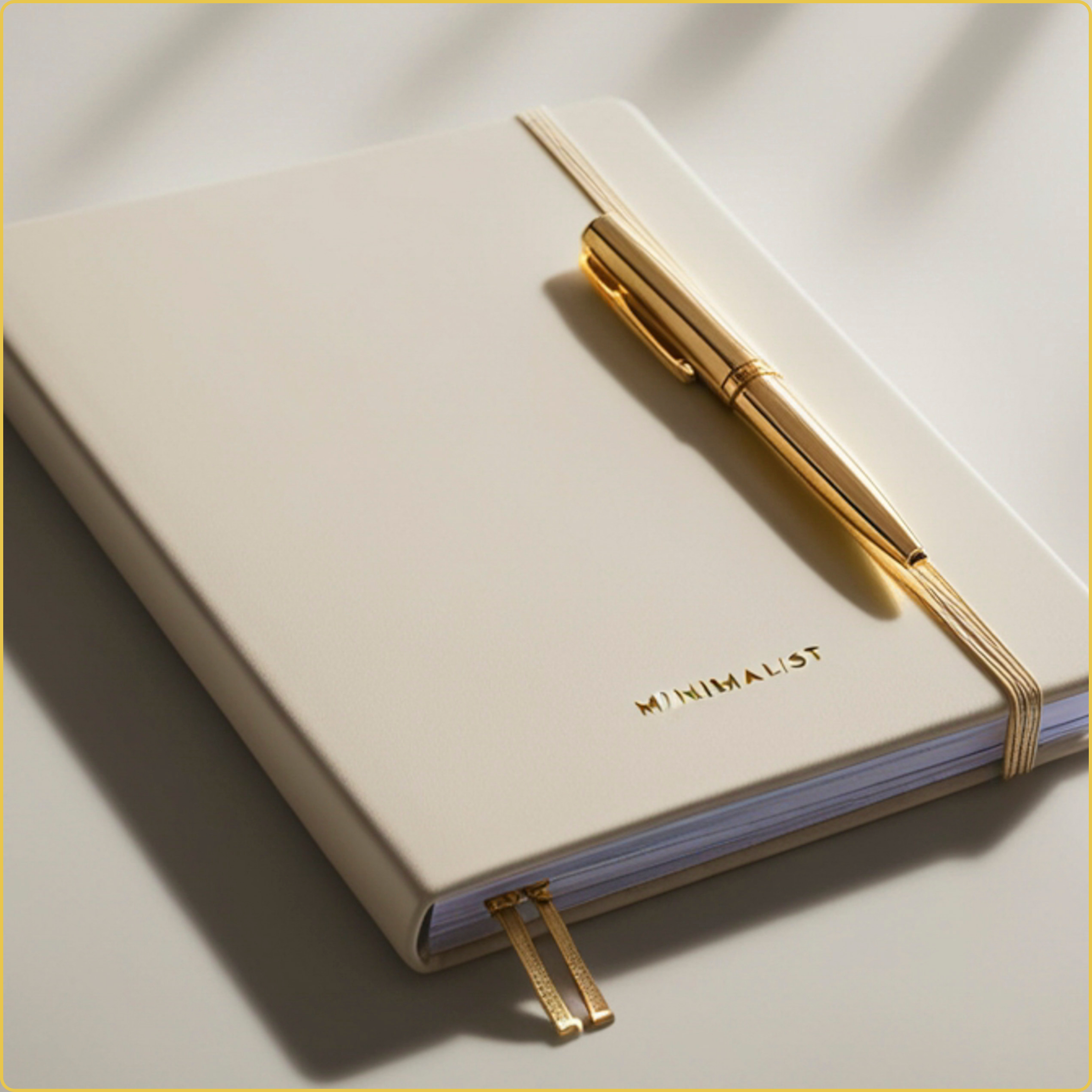
That might mean choosing a better-quality product, a more timeless design, or simply reducing the branding so it works beyond a single campaign.
It’s not about making everything minimal. It’s about making better decisions at the start.
So, how much branding is enough?
There’s no magic percentage or perfect logo size.
Sometimes you need your branding to be impossible to miss. At an event, on a campaign giveaway or when you’re trying to create a strong visual impact, bold branding can be exactly right.
But if your aim is to create merchandise that people keep, wear and use regularly, less can sometimes give you more.
Before approving the artwork, ask yourself three things:
- Would I use this if it didn’t have our logo on it?
- How many different situations could I use it in?
- Will the branding still feel right when the campaign or event is over?
If the answer to those questions is yes, you’re probably onto something. Because the best merchandise doesn’t just put your brand in front of people.
It gives people a reason to keep your brand around.